
Transcranial Magnetic Stimulation Therapeutic Device: A Non-Invasive "Power Tool" for Brain Function Rehabilitation
- winni
- January 01, 2026
- 189
- 0
- 0
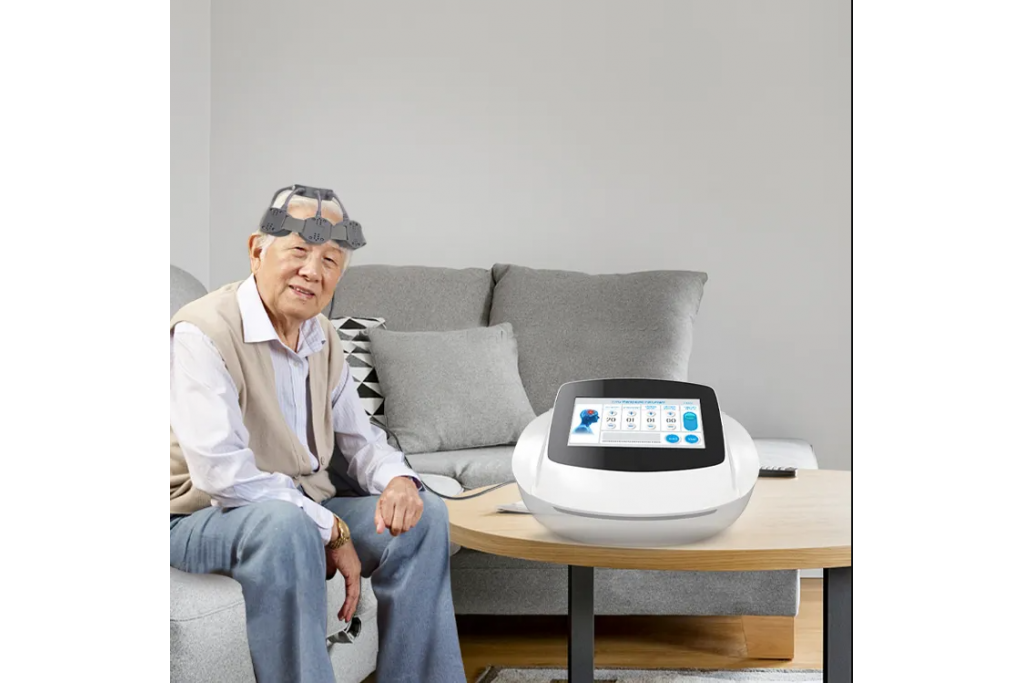
In today's fast-paced life, brain health issues are increasingly gaining attention. Whether it's post-stroke sequelae, insomnia, anxiety, memory decline, or neurological headaches, these conditions affect our quality of life. Today, let’s introduce a device that has garnered significant attention in the field of rehabilitation medicine—the Transcranial Magnetic Stimulation Therapeutic Device. What functions does it have, and how does it help restore vitality to the brain?
I. Core Functions: Triple-Action Therapeutic Mechanism
1. Promoting Brain Cell Repair and Regeneration
The device, controlled by a microcomputer, outputs a specific frequency of alternating magnetic fields that penetrate the skull and directly act on brain tissues. The magnetic field can alter the membrane potential of nerve cells, stimulate metabolic activity, and help "awaken" brain cells with weakened functions, enabling self-repair and regeneration.
2. Improving Cerebral Blood Circulation
The magnetic field forms positively charged regions within the brain, attracting negatively charged red blood cells in the bloodstream and promoting their passage through microcirculation channels. This helps to:
Enhance the elasticity of cerebral blood vessels
Improve cerebral blood supply
Gradually establish collateral circulation
It is particularly suitable for auxiliary treatment of cerebrovascular diseases such as cerebral infarction and insufficient cerebral blood supply.
3. Reshaping Brain Electrical Network Function
The device can output magnetic field frequencies similar to brainwave rhythms, interfering with and suppressing abnormal brain electrical activities (such as epileptiform discharges), promoting electroencephalogram (EEG) rhythms to normalize, and helping to "reorganize" brain functional networks.
II. Special Treatment Modes: Personalized Adjustment and Intelligent Adaptation
12 Vibration Modes + 10 Intensity Levels
Equipped with a miniature vibration motor, the device offers a variety of vibration rhythms and adjustable intensities. It can synchronously act on acupoints on the head, enhancing relaxation and comfort.
Intelligent Prescription System
Built-in with multiple preset treatment plans (prescriptions), the device automatically matches recommended frequencies, durations, and modes for different conditions. It is user-friendly and suitable for both home and rehabilitation facility use.
III. Wide Range of Applicability, Versatile Use
This therapeutic device is not only suitable for hospital rehabilitation departments and neurology units but is also gradually making its way into community and home rehabilitation settings. It can assist in improving:
Cerebrovascular disease patients: Post-cerebral infarction rehabilitation, insufficient cerebral blood supply, post-stroke sequelae
Mental and psychological disorders: Insomnia, depression, anxiety, schizophrenia
Brain injury patients: Concussion, cerebral palsy, post-cerebral hemorrhage recovery
Neurodegenerative diseases: Parkinson's disease, Alzheimer's disease, brain atrophy
Others: Childhood autism, hyperactivity disorder, neurological headaches, memory decline, etc.
IV. Safety Design and Easy Operation
Non-invasive and painless: No surgery required, non-invasive and pain-free
Multiple safety protections: Includes overload protection, leakage protection, grounding protection, etc.
Intelligent reminder system: Automatically stops treatment and provides voice prompts upon completion
Lightweight structure: Adjustable magnetic therapy cap, comfortable to wear, suitable for sitting or semi-lying positions
V. Usage Recommendations and Treatment Course
It is recommended to use the device once daily, for 20–30 minutes per session, with 4 weeks constituting one treatment course. Specific plans should be adjusted according to medical advice or individual tolerance. If dizziness, palpitations, or other discomfort occurs during treatment, the intensity can be reduced or usage paused at any time.
Conclusion
The Transcranial Magnetic Stimulation Therapeutic Device integrates cutting-edge technologies from electromagnetics, neuroscience, and rehabilitation medicine, offering a new option for brain function rehabilitation through non-pharmaceutical and non-invasive means. Whether used in professional hospital rehabilitation or as an auxiliary tool for home care, it demonstrates promising application prospects and practical value.
If you or your family members are facing brain function-related issues, consider learning about this "brain rehabilitation power tool" under the guidance of a medical professional. It may open a new window on the path to health.